
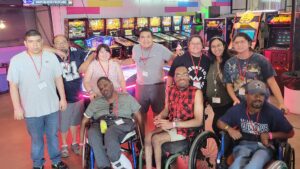
 Independence looks different for everyone.
For adults with intellectual and developmental disabilities (IDD), independence may mean preparing a simple meal, managing money safely, holding a job, navigating public transportation, or confidently advocating for personal needs.
At Helping Hands of Duncanville, life skills development is more than a checklist. It is a pathway to confidence, dignity, and meaningful community inclusion.
Through structured support, individualized programs, and hands-on learning, Helping Hands of Duncanville empowers adults with IDD to build the practical skills they need to live fuller, more independent lives.
What Are Life Skills for Adults with IDD?
Life skills are everyday abilities that help individuals function safely, confidently, and independently in their homes and communities.
For adults with IDD, life skills training typically focuses on:
- Personal hygiene and grooming
- Household management
- Financial literacy
- Communication and social skills
- Employment readiness
- Community safety
- Self-advocacy
At Helping Hands of Duncanville, life skills programs are tailored to each individual’s strengths, goals, and support needs. We know there are no two journeys that are the same when you are on the path to independence.
Learn more about their full range of programs here.
Core Life Skills Taught at Helping Hands of Duncanville
Below are the foundational areas that shape independence and long-term success.
1. Daily Living Skills
Daily living skills form the foundation of independence.
Examples Include:
- Bathing and grooming
- Dressing appropriately
- meal preparation
- Cleaning personal spaces
- Laundry routines
- Following structured daily schedules
At Helping Hands of Duncanville, individuals practice these skills in real-life environments. We don’t do it through instruction, but instead, through repetition and routine.
Why It Matters?
Mastering daily living tasks builds confidence and reduces dependence on caregivers. Even incremental progress can significantly improve the quality of life.
2. Financial Literacy & Money Management
Understanding money increases independence and protects individuals from financial exploitation.
Life Skills in This Area Include:
- Identifying currency
- Counting change
- Budgeting weekly expenses
- Safe debit card use
- Recognizing scams
- Understanding basic bills
Helping Hands of Duncanville integrates real-world practice into financial literacy training. Individuals learn through supervised shopping trips or guided budgeting exercises.
3. Communication & Social Skills
Strong communication skills are essential for relationships, employment, and community inclusion.
Social Development Focus Areas:
- Taking turns in conversation
- Understanding personal boundaries
- Expressing needs clearly
- Reading basic social cues
- Managing conflict appropriately
Helping Hands of Duncanville fosters social growth through structured group activities, peer engagement, and guided practice in community settings.
Building these skills reduces isolation and increases confidence in social environments.
4. Employment & Vocational Readiness
Meaningful work offers purpose, structure, and financial contribution.
Helping Hands of Duncanville supports employment readiness by teaching:
- Time management
- Following instructions
- Professional hygiene
- Workplace communication
- Accepting feedback
- Task completion
- Transportation planning
Vocational development is not just about finding a job. It is about finding the right fit based on strengths and interests.
5. Community Navigation & Safety Skills
True independence extends beyond the home.
Helping Hands of Duncanville teaches practical community skills such as:
- Using public transportation safely
- Identifying trusted community helpers
- Understanding street safety
- Emergency response awareness
- Appropriate public behavior
These skills increase confidence and reduce vulnerability in everyday situations.
6. Health Management & Self-Advocacy
Self-advocacy is one of the most empowering life skills an adult with IDD can develop.
Helping Hands of Duncanville teaches practical community skills such as:
- Using public transportation safely
- Identifying trusted community helpers
- Understanding street safety
- Emergency response awareness
- Appropriate public behavior
These skills increase and reduce vulnerability in everyday situations.
6. Health Management & Self-Advocacy
Self-advocacy is one of the most empowering life skills an adult with IDD can develop.
Helping Hands of Duncanville supports individuals in learning how to:
- Understand personal medical information
- Communicate symptoms or discomfort
- Schedule appointments
- Manage medications responsibly
- Set personal goals
- Participate in planning meetings
When adults with IDD are encouraged to speak up and participate in decision-making, they gain ownership over their lives.
 How Helping Hands of Duncanville Teaches Life Skills Effectively
Life skills development works best when it is personalized, practical, and consistent.
Helping Hands of Duncanville uses proven strategies such as:
Person-Centered Planning
Every program begins with understanding the individual’s goals, interests, and strengths.
Hands-On Learning
Real-world practice reinforces long-term retention.
Visual Supports
Charts, schedules, and step-by-step guides improve clarity.
Routine & Repetition
Predictability increases comfort and mastery.
Gradual Fading of Support
Independence grows when assistance is gradually reduced.
This structured yet compassionate approach ensures growth happens at a sustainable pace.
Frequenty Asked Questions About Life Skills for Adults with IDD
The most important life skills include personal hygiene, communication, money management, employment readiness, safety awareness, and self-advocacy. Priorities vary depending on the individual’s goals and level of independence.
Many adults with IDD can live independently or semi-independently with appropriate support services like those offered at Helping Hands of Duncanville.
Life skills development is ongoing. Some skills can be learned in months, while others require consistent reinforcement over time. Progress depends on individualized support and practice.
Life skills training promotes dignity, reduces dependence, increases employment opportunities, and enhances overall quality of life.
The Impact of Life Skills Training in Duncanville
Communities thrive when individuals with IDD are supported in reaching their full potential.
By prioritizing life skills training, Helping Hands of Duncanville contributes to:
- Increased independence
- Higher confidence levels
- Improved employment outcomes
- greater community inclusion
- Stronger family support systems
Families gain peace of mind knowing their loved ones are developing the practical tools needed to navigate adulthood successfully.
A Partnership with Families
We recognize that families play a vital role in growth and development.
The team collaborates closely with caregivers to:
- Reinforce skills at home
- Set achievable goals
- Monitor progress
- Celebrate milestones
This partnership approach ensures continuity between program support and everyday life.
Empowering Independence, One Skill at a Time
Life skills are not just tasks to be mastered. They are stepping stones to independence, self-worth, and belonging.
At Helping Hands of Duncanville, adults with IDD are encouraged to grow at their own pace, build on their own strengths, and discover what they are capable of achieving.
When individuals learn to manage daily routines, communicate effectively, handle money safely, and contribute meaningfully to their community, they gain something invaluable:
Confidence.
